The Soul of Motorsports: Why Team Passive Aggressive’s VIR Story Matters More Than You Think
In the high-octane world of motorsports, where milliseconds determine legends, the story of Team Passive Aggressive at Virginia International Raceway (VIR) reveals a truth often obscured by checkered flags: racing is as much about human resilience as it is about horsepower. Their journey—equal parts chaotic, heartfelt, and quixotic—offers a masterclass in why we should care about teams that don’t win. Let me explain why this matters more than you might expect.
The Beauty of Imperfection in a Results-Obsessed World
Let’s start with the obvious: Team Passive Aggressive didn’t win. They didn’t even podium. They finished 12th in a 15-team field, lapped three times by the leaders. But here’s what they did do: they crashed, they rallied, they reinvented their strategy mid-race, and they turned a two-hour endurance event into a multigenerational family reunion. In an era where sports narratives are dominated by hyper-optimized machines and prodigy riders, their scrappy imperfection feels revolutionary. Personally, I think we’re starving for these kinds of stories—ones where the underdog isn’t just plucky but profoundly human. What makes this fascinating is how it challenges our obsession with victory. When Peter Jones clipped a curb and ended up on the pavement, it wasn’t a failure; it was a reminder that even in racing, the road to growth is paved with asphalt and humility.
Adversity as a Defining Force
The race itself was a microcosm of life’s unpredictability. Lightning delays, frantic tire changes, and a restart that left them two laps down—these moments could’ve broken the team. Instead, they became the plot points of a story worth telling. From my perspective, this is where endurance racing transcends sport and becomes metaphor. The real victory wasn’t in their 12th-place finish but in their ability to adapt when the track turned to glass under sudden rain. Many teams have slicks; few have the ingenuity to improvise when their pit crew becomes a family member with a wrench and a prayer. What this really suggests is that resilience, not raw speed, defines endurance. A detail I find especially interesting? How the crew’s collaboration with Dunlop’s Stickboy to mount rain tires in a crisis mirrors the pop-up problem-solving we see in startup cultures. Racing, it turns out, is a lab for human creativity under pressure.
Family: The Unseen Engine of Motorsports
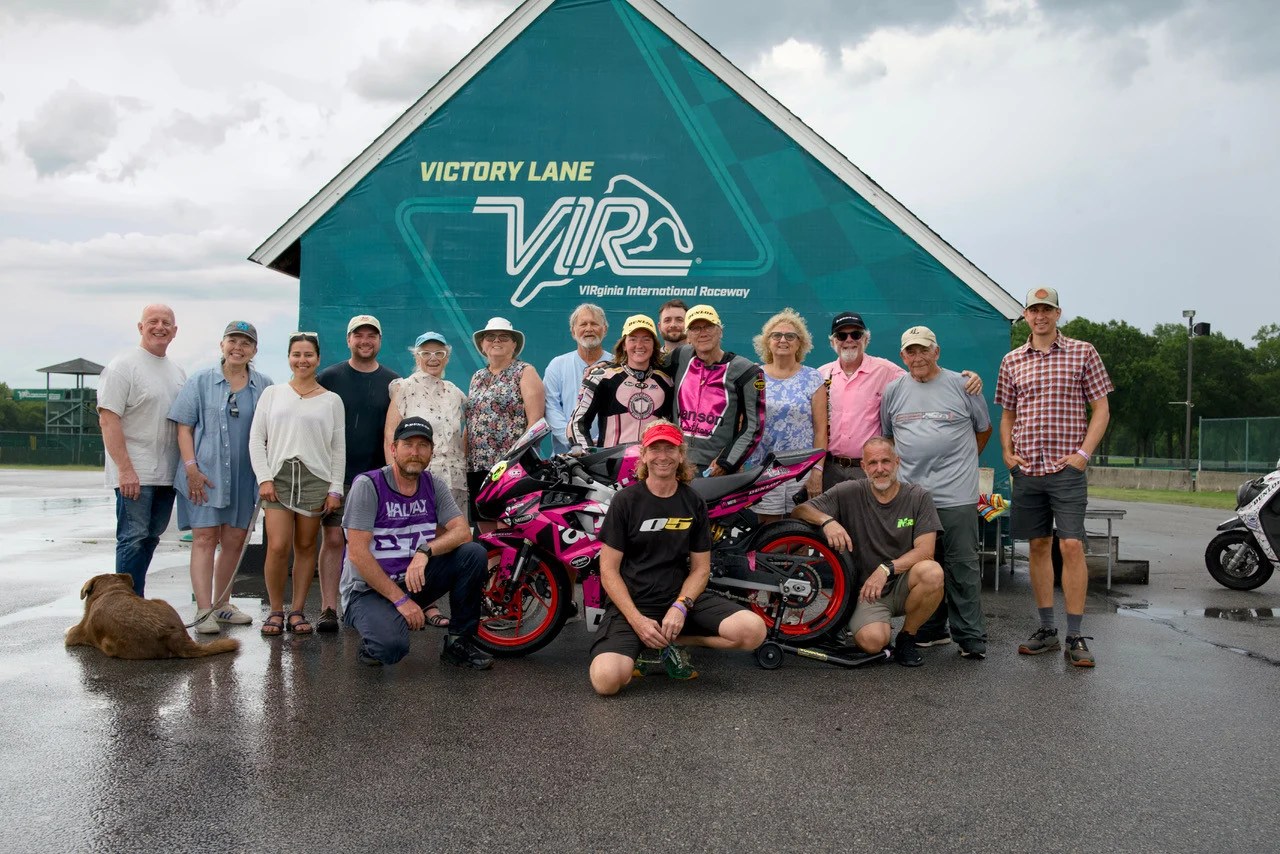
Let’s talk about the elephant in the paddock: the family. Miranda Cain’s grandmother, uncles, aunts, and friends weren’t just spectators—they were the backbone of the operation. Jesse Cain filming the chaos? That wasn’t a PR stunt; it was a home movie in the making. This raises a deeper question: Why do we so often separate the personal from the professional in racing? The answer, I suspect, lies in our tendency to mythologize athletes as solitary warriors. But Team Passive Aggressive flips the script. Their pit wall was a family reunion, their support network woven from blood and shared history. What many people don’t realize is that this kind of familial scaffolding is common in grassroots racing but rarely highlighted. It’s the quiet rebuttal to the corporate sterility of top-tier motorsports. If you take a step back and think about it, isn’t racing just another arena where community triumphs over individualism?
The Hidden Ecosystem Behind Every Race
No team is an island. The laundry list of sponsors and collaborators—Dunlop, Aprilia, LS2 Helmets, and more—reads like a who’s-who of motorsport’s unsung enablers. But here’s the twist: these partnerships aren’t transactional; they’re existential. A team without tire sponsors or safety-equipment backers isn’t just underfunded—it’s nonexistent. What this implies is that racing’s ecosystem is far more interconnected than fans realize. The photographer capturing Peter Jones’ crash? Tommy Kinsman wasn’t just documenting a mishap; he was preserving a narrative. And that RoadRUNNER feature they teased? That’s the glue that binds the sport’s oral history. In my opinion, this hidden web of support is what keeps motorsports alive at its fringes. Without it, teams like Passive Aggressive wouldn’t just lose—they’d never even qualify.
Redefining Victory in the Age of the Spectacle
So what’s the takeaway here? For me, it’s this: Team Passive Aggressive didn’t just race; they redefined what success looks like. They crossed the finish line with their family intact, their spirits unbroken, and their story intact. In a world where viral moments often eclipse legacy, their adventure reminds us that value isn’t always measured in trophies. The deeper implication? Motorsports needs these human-scale narratives to survive. The viral clip of Jones’ crash? That’s fleeting. The photo of Miranda’s grandmother cheering from the stands? That’s eternal. This isn’t just about racing; it’s about why we tell stories at all. And if you ask me, that’s the real checkered flag worth chasing.